
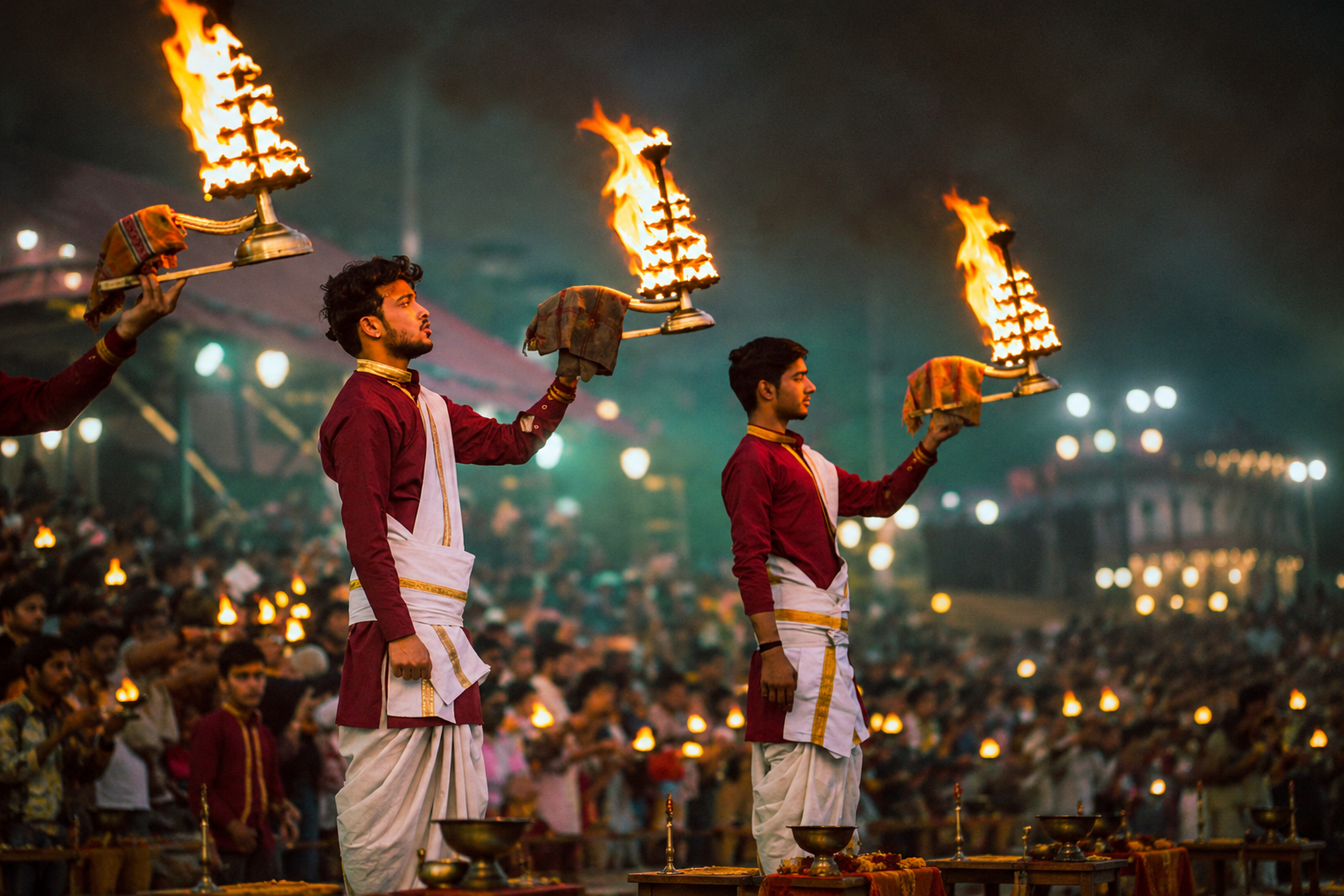
How Does Performing a Havan Bring Peace, Prosperity, and Positive Energy?
Havan, also known as Yagna, is one of the oldest and most revered rituals in Sanatan Dharma. Performed by offering sacred materials into a consecrated fire while chanting Vedic mantras, it symbolizes devotion, purification, and the connection between humans and the divine.
For centuries, families have performed Havans to seek blessings for health, success, happiness, and spiritual growth. Whether conducted at home, in temples, or during special ceremonies, this sacred ritual is believed to create an atmosphere filled with positivity and divine grace.
Spiritual Benefits of Havan
The chanting of Vedic mantras combined with offerings into the holy fire helps create a spiritually uplifting environment. Devotees often perform Havans to:
- Seek blessings from deities
- Remove negative energies
- Promote mental peace and emotional balance
- Increase devotion and spiritual awareness
- Strengthen family harmony and relationships
Purification of the Environment
Traditional scriptures describe Agni (the sacred fire) as a purifier. During a Havan, ingredients such as ghee, herbs, wood, and other sacred offerings are placed into the fire while mantras are recited. This ritual symbolizes the purification of thoughts, surroundings, and intentions.
Many devotees believe that the sacred vibrations generated during the ceremony create a peaceful and auspicious atmosphere.
Common Occasions for Performing a Havan
A Havan may be organized for various life events and religious occasions, including:
- Griha Pravesh (housewarming ceremony)
- Marriage ceremonies
- Satyanarayan Katha
- Navratri and other festivals
- Birthday celebrations
- Business inaugurations
- Vastu Shanti rituals
- Health and well-being prayers
- Educational and career success
- Family prosperity and happiness
Importance of Vedic Mantras
The recitation of authentic Vedic mantras is an essential part of every Havan. Each mantra carries spiritual significance and is intended to invoke divine blessings while enhancing concentration and devotion.
When performed under the guidance of knowledgeable priests, the ceremony follows traditional procedures passed down through generations.
Why Families Continue This Tradition
Despite changing lifestyles, many families continue performing Havans because they value the sense of faith, togetherness, and spiritual fulfillment the ritual provides. Gathering with loved ones for prayer and devotion strengthens family bonds while preserving ancient traditions.
Conclusion
A Havan is more than a ritual—it is a sacred expression of gratitude, faith, and devotion. Through prayers, offerings, and Vedic chanting, devotees seek divine blessings for peace, prosperity, health, and success. Whether performed for a special occasion or as part of regular spiritual practice, a Havan continues to inspire positivity and strengthen the connection with the divine.